5 Ways to Manage Diabetes and Prevent Vision Loss
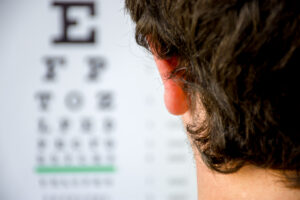
Uncontrolled diabetes can lead to low vision from diabetic eye disease, but proactive steps like comprehensive eye exams can prevent sight loss and blindness.
Diabetes Is a Nationwide Epidemic
Diabetes is the most expensive disease in the United States and is becoming the fastest-growing disease in the world. Almost 40 million Americans have diabetes, which is about 12 percent of the U.S. population, but one in five people affected are unaware they have the disease (American Diabetes Association).
Below are five ways you can manage diabetes to protect your vision and prevent permanent eye damage.
Educate Yourself About Diabetes-Related Health Problems
About 90 to 95 percent of people with diabetes have type 2 diabetes, a condition that develops when the body has trouble using insulin to push glucose out of the blood and into the body’s cells. Insulin resistance causes blood glucose levels to rise, and this can cause significant health problems, including the following:
- Nerve damage
- Heart disease
- Kidney damage or failure
- Blood vessel damage
- Feet problems
- Bone and joint issues
- Teeth and gum infections
Understand the Connection Between Diabetes and Vision Loss
Diabetic eye disease is a term for a group of eye conditions that diabetes can cause, including diabetic retinopathy, diabetic macular edema, cataracts and glaucoma.
“Diabetes can silently damage a person’s most precious sense, their sight, before symptoms even appear,” said J. Michael Jumper, MD, president of the American Society of Retina Specialists (ASRS). “That’s why everyone with diabetes should focus on their eyesight and receive regular dilated eye exams.”
About half of all people with diabetes will develop diabetic retinopathy, a disease that makes retinal blood vessels swell, leak fluid or obstruct completely. Sometimes, abnormal tiny blood vessels will begin to grow on the retina.
Numerous individuals with diabetic retinopathy may not observe symptoms initially, yet signs can start to emerge over time:
- Blurry vision
- Challenges with reading
- Seeing spots or floaters
- Elevated eye pressure
- Difficulty discerning colors
- Double vision
- A shadow across the field of vision
If you have uncontrolled blood sugar or elevated blood pressure or are pregnant, your risk of developing diabetic retinopathy increases significantly.
Visit Your Primary Care Doctor Regularly
Staying current with self-checks, doctor visits and exams can help you manage your blood sugar, body weight, medications and habits. Your physician will recommend if you need to schedule visits every three or six months to monitor your A1C, which evaluates your blood glucose levels.
Your doctor will also test your blood pressure, look at your eyes and examine your feet for diabetes-related foot problems. Every year, you will probably need routine tests to check your kidneys, cholesterol and hearing (CDC).
Get a Comprehensive Eye Exam at Least Once Per Year
Annual comprehensive eye exams with dilation can prevent vision loss and blindness for people with diabetes. The best way to preserve your vision is to visit your eye doctor regularly and make an appointment right away if you notice any vision changes.
If you have diabetic eye disease, you may need to visit your eye doctor more often than once per year. Fluctuations in blood sugar can affect the shape of the lens and cause blurred vision. Often, your vision will go back to normal when glucose levels go back to normal. Therefore, it is important to schedule regular eye exams.
Double vision is another eye problem that affects people with diabetes. High blood sugar can damage the nerves that allow the eyes to work together, and double vision can result (AAO).
Make Healthy Lifestyle Choices
Your daily habits can make a significant difference in your blood glucose levels, particularly in diet and exercise.
Eat a Nutritious, Balanced Diet
Eating foods that are high in protein and fiber as well as complex carbohydrates can help stabilize your blood glucose levels. There are no exact recommendations for what percentage of calories should come from proteins, carbohydrates and fats for people with diabetes. Therefore, it is imperative to build your nutrition plan with the help of your doctor or a nutritionist.
Fill your plate with these delicious foods:
- Lean proteins like fish, turkey, chicken, tofu, nuts and eggs
- Whole grains such as oats, quinoa, brown rice and millet
- Non-starchy vegetables like leafy greens, broccoli, mushrooms, asparagus and green beans
- Legumes like beans (garbanzo, pinto, navy and kidney), peanuts and lentils
- Nuts and seeds like walnuts, cashews, almonds, pecans, chia seeds and sunflower seeds
Get Active and Exercise
Consistent exercise is a cornerstone of diabetes management. When you perform a physical activity, your cells become more sensitive to insulin, which helps lower your blood glucose levels.
If you’re a beginner, you might feel overwhelmed, but even a slight change in your activity level can be helpful. Starting with a daily walk is a great idea, and you can slowly enhance the intensity and length of your exercise as your endurance improves.
Other lifestyle choices to manage the effects of diabetes include the following:
- Quit smoking or not smoking.
- Avoid alcohol or drink only on special occasions.
- Get quality sleep at night.
- Manage your stress levels.
February Is Low Vision Awareness Month
Diabetic eye disease is just one of several conditions that can lead to low vision, a state that cannot be improved with glasses, contact lenses, medications or surgical procedures.
Losing vision doesn’t have to mean you have to give up everything you enjoy. Various treatments and rehabilitation techniques are available for individuals with limited vision, such as oversized print literature, magnifying devices or assistance from a caregiver who can transport you to appointments and activities.
Early diagnosis is the best way to prevent vision loss. During Low Vision Awareness Month, make an appointment for you and your family members to get a comprehensive eye exam with dilation. Your doctor can update your prescription, screen you for common eye diseases and evaluate your eye health.
Make an Appointment with Your Ophthalmologist
The first quarter of the year can be a perfect time to call your insurance company to verify your vision benefits. Feel free to inquire about testing for common eye conditions such as cataracts and check if cataract surgery is covered.
Cataract surgery is one of the most common surgeries in the United States and it often takes only about 15 minutes. A surgeon will remove the cloudy lens and replace it with a clear artificial lens, called an intraocular lens. Many people say they have the clearest vision they’ve ever experienced following cataract surgery.
Call your ophthalmologist today to get on the schedule and commit to another year of healthy, clear vision.